Additional information
| Weight | 2.5 kg |
|---|

SKU: 26080
£305.00 (ex. VAT)
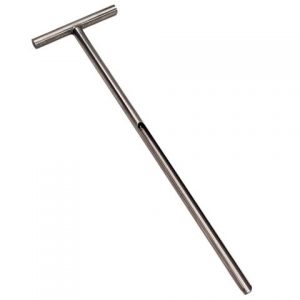
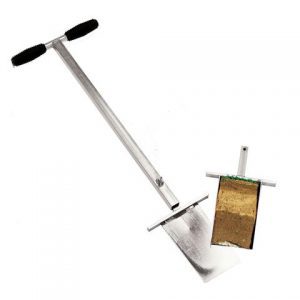
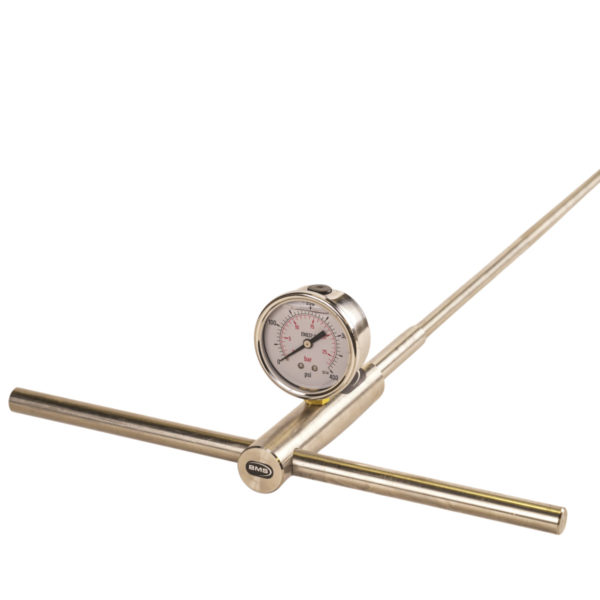
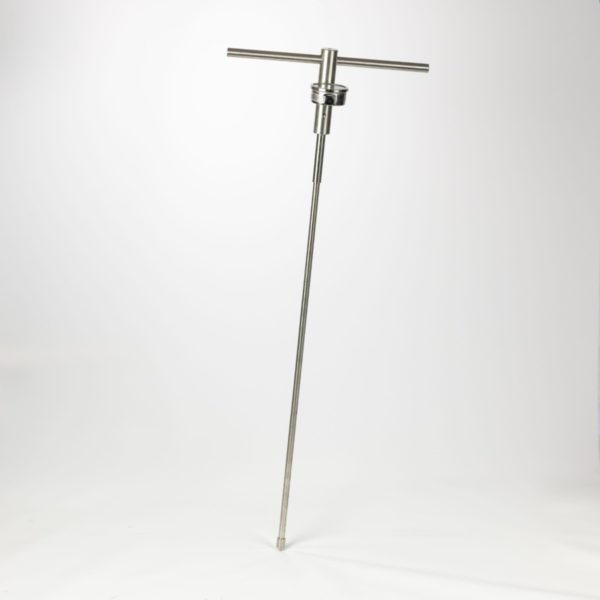
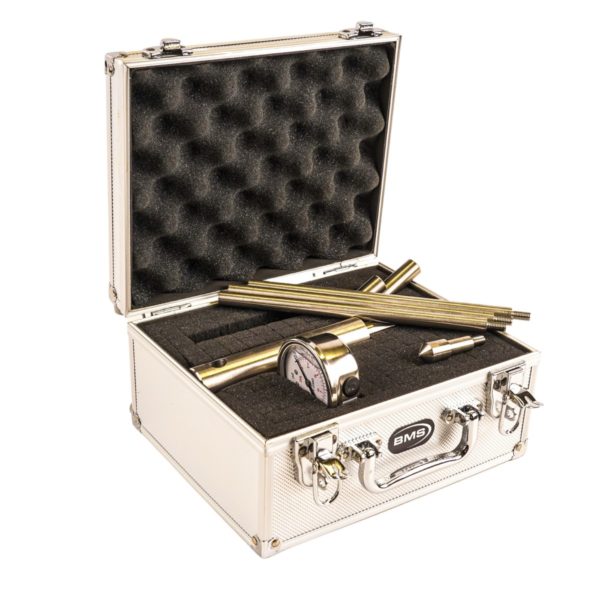
Quickly identify soil compaction layers and their depth with this essential diagnostic tool. It helps greenkeepers, groundsmen, and agronomists target aeration effectively for healthier turf.
Compaction is one of the biggest headaches for anyone managing turf. It restricts root development, hampers drainage, and can lead to a host of turf diseases. Before you commit to a full aeration programme, you need to know exactly what you’re dealing with. The BMS Soil Penetrometer is the right tool for that job.
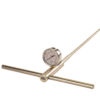
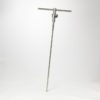
This isn’t a flimsy gadget; it’s a professional-grade tool built for regular use on golf courses, sports pitches, and by turf agronomists. The operation is simple: as you press the penetrometer into the soil, the built-in gauge gives you a live reading of the resistance. When you hit a compaction layer, the needle on the gauge will climb. As you push through it, the needle will drop back down. It’s a clear, immediate signal that tells you two things: that you have a compaction problem, and the precise depth it starts and ends.
Armed with this data, you can make informed decisions about your turf maintenance. You can set your aerator to the correct depth to break up the pan, improving drainage and giving the roots the space they need to thrive. It’s a simple, effective way to diagnose what’s happening beneath the surface, ensuring your hard work delivers the best results.
Using the penetrometer is straightforward. Simply push the tool firmly and steadily into the turf surface. Watch the gauge indicator as you do so. A compacted layer is identified when the gauge indicator increases upscale, showing resistance, and then moves back down scale after passing through the layer. Note the depth on the shaft where the resistance begins and ends to determine the location and thickness of the compaction pan.
Q1: How do I identify a compaction layer?
A1: The gauge indicator will increase upscale and then move back down after passing through a compacted layer.
Q2: How do I record the measurements?
A2: Note the depth at which the gauge indicator begins to show increased resistance.
| Weight | 2.5 kg |
|---|
 All our products are designed and built in the UK
  The world's Leading Golf Hole Cutter
  Products used at the NI Open & the British Open